

Mindful Compassion for Self & Other

7 - 9pm / 7 weeks

Book here

Mindful Compassion for Self & Other (MCSO)

A 7-Week Training Course
Dates - Wednesday evenings 7th October to 18th November 2026

Time - 7 to 9 pm

We will be LIVE at the Centre. ONLINE Zoom spaces are also available at the same cost. Booking is required for both LIVE and ONLINE spaces. All spaces are limited so do book ASAP.

"Compassion begins with being present to our own suffering before we can truly be present to another."

In a world that encourages us to look outward for answers, this training invites us to turn inward and develop a more stable, kinder, and wiser relationship with ourselves and others. Compassion means "to suffer with."

Before we can truly be with another's pain and suffering, we must learn how to be with our own struggles, anxiety, inner critic and judge, fears, shame, vulnerabilities, and historical conditioning with understanding, patience, kindness, and the willingness to change.

Most of us lead demanding lives and can become disconnected from ourselves, our families, and those closest to us. Neuroscience shows that people living with unrelenting standards, high self-demand, and a strong inner critic often experience heightened stress responses in the brain and nervous system. These patterns can leave us feeling anxious, overwhelmed, reactive, and disconnected.

Mindful Compassion for Self & Other (MCSO) training helps regulate these patterns by strengthening emotional awareness, calming the brain's threat and survival response, and increasing psychological flexibility. By developing mindfulness and self-compassion, we learn to soften the critical, judging mindset, build emotional resilience, and cultivate healthier, more loving relationships with ourselves and others.Join us for this 7-week journey of compassion, connection, and emotional growth.

What is Mindful Compassion?

Mindfulness is paying attention to our experience in the present moment without judgement. Combined with compassion, it becomes a potent pathway for healing, emotional growth, resilience, and authentic connection.Through guided practices, reflection, and discussion, we will inquire into how to:• Respond rather than react.
• Articulate difficult feelings and emotions with greater clarity.
• Lessen high self-demands and unrelenting standards.
• Reduce anxiety, perfectionism, overwhelm, and self-criticism.
• Understand how the brain and nervous system can hijack thoughts, feelings, and behaviours.
• Develop self-compassion and emotional resilience.
• Calm the anxious, critical, and judging mind.
• Improve relationships with yourself and others.
• Develop healthy "good enough" boundaries.
• Resource yourself and build resilience during challenging times.
• Create space for healing, growth, and transformation.
• Cultivate more skilful, loving, and authentic relationships.

All Loving Relationships with self and others are an Inside Job First

Before you can love another, you must learn to turn inward and love yourself.Many of us carry different inner voices and parts that judge, criticise, blame, or hide in shame. When these parts remain unheard, we often live in internal conflict that affects our well-being and relationships.

This training helps you learn to manage, navigate and understand these different parts of yourself with compassion, kindness, insight and awareness.So loving relationships are an inside job first! – manage and understand your different voices/parts. Before you can have better relationships and love another, you have to learn to turn inward and know and begin to care for yourself. The many different parts of yourself can come out of hiding and shame, and learn to be listened to, understood, and find a way into cooperation and collaboration.

Healing can begin rather than living in internal conflict.We can pause and step away to gain insight into our thoughts, feelings, and behaviours – this is what this training is for: emotional growth, intelligence, and the freedom to become "our authentic selves".

What You Will Learn

  • How to calm the threat, fear and survival response.
  • How to work with self-criticism, shame, blame, and anger.
  • Greater emotional intelligence and self-awareness.
  • Heart-centred communication and connection.
  • Skills for navigating difficult emotions and having better relationships.
  • Practical mindfulness and compassion practices.
  • Health boundaries.
  • Psychological safety.
  • Good enough friendships and partnerships.
  • How to cultivate healthier and more loving relationships.
  • Basic neuroscience understanding of how stress and survival responses affect the brain and behaviour.
  • Resourcefulness and resilience.
  • Life-affirming wishes for well-being and nurture for self and others.

Weekly Practices Include

  • Compassionate Body Mind Practice – audio and PDF guidance.
  • Mood check-ins, insight and emotional awareness exercises.
  • Self-inquiry and reflective journaling
  • Mindful movements.
  • Communication skills, tools, and practices to manage heightened feelings, anxiety, and stress responses.

Benefits of the Training

Participants often experience :

Greater self-awareness
Reduced self-criticism
Increased emotional regulation
Improved communication
Healthier boundaries
Greater resilience and wellbeing
Enhanced compassion for self and others

More authentic and fulfilling relationships


An Invitation

Healing begins with the relationship you have with yourself. Mindful Compassion for Self & Other - offers practical tools, embodied practices, and compassionate inquiry to help you bridge your inner and outer worlds.By turning inward first, we cultivate the awareness, courage, and compassion needed to transform ourselves, our relationships, and our communities."The relationship you have with yourself sets the tone for every other relationship in your life."

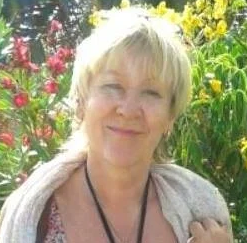
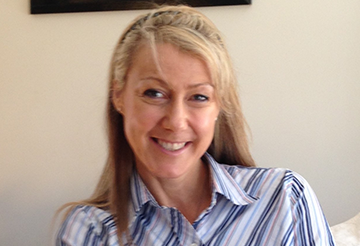
The trainers -Course Facilitators - Pippa O'Connor and Andi Stapleton

Meet the teachers

Pippa O'Connor

Pippa O'Connor (BSc, MSc Dip) Mindfulness teacher with over 20 years' experience teaching mindfulness and compassion-based programmes and trauma-focused trainings. Psychotherapist - Educator taught Mindfulness-Based Cognitive Therapy (MBCT) clinical applications at the Priory Hospital, London and  Trauma-Sensitive teacher - Research at the Tavistock & Portman Hospital and The London Clinic, Hospital, Harley Street. Trained in CBT, Relationship Therapy, Addiction Treatment, Trauma-Informed Therapy, and EMDR. Somatic Experience Yoga Teacher. Private practice, North London.

Andi Stapleton

Andi StapletonBA, MSc, Dip/MA. Executive Coach - Tutor and Psychotherapist specialising in individual and group work using MBCT Cert: private and corporate sectors: Priory Hospital / Priory Wellness Clinic and private practice. American Coaching Association Qualification, BA Management, Mindfulness Teacher / Facilitator, MSc Business Psychology. Sports Coach/performance coach. Developed expertise in leadership, resilience, high-performance teamwork, and relationship building under pressure training. 10 years at The Priory and in private practice.

Book here

Frequently Asked questions

How can I get the most out of the course?
an arrow pointing down

Consistency is key: Come every week. Motivation often follows action so you’ll usually find that once you’re here, you’re glad you came!Arrive early: Aim to get here 15 minutes before we start. This gives you time to settle in and relax before the session begins.

What if I can’t make every session? 
an arrow pointing down

Don't worry - it’s fine, and common, to miss a session or two. We’ll usually send follow-up emails recapping the content you missed. If you know you’re going to be away, just let us know and we’ll look forward to seeing you the following week.

Will there be any food and drink?
an arrow pointing down

Tea and biscuits are served during breaks. We provide a wide range of teas along with oat and soya milk. There is also tap water. If you’re attending a day-long event (a Festival day or Day retreat for example), you’re invited to bring a vegan lunch to share as part of a "pot-luck" buffet.

What should I wear?
an arrow pointing down

There is no dress code, just wear what you feel comfortable in. If you’re attending a meditation class, loose-fitting trousers are a good choice as they make it much easier to sit on a cushion or chair for longer periods.

Do I need to take my shoes off?
an arrow pointing down

We ask everyone to remove their shoes before entering our shrine rooms or yoga studio. You can leave your shoes in the designated areas. (You might want to bring a pair of socks if your feet get cold!)

What if I can’t afford it? 
an arrow pointing down

While many courses are "Give What You Can," others have a set fee. If the low-income rate is still out of reach, please get in touch. We want our courses to be accessible to all and can often offer a place for an amount that works for you. It helps if you can give us a rough idea of what you can contribute when you get in touch.

How do I get to the Buddhist Centre?
an arrow pointing down

We are a 5–10 minute walk from three stations: Highbury & Islington, Holloway Road, and Drayton Park. Bus routes 21, 43, 263, and 393 stop nearby. We are also on the C38 Cycleway, with plenty of bike racks close by on Fieldway Crescent. There is no on-site parking, and nearby streets are mostly resident-only.

Is the Buddhist Centre accessible? 
an arrow pointing down

While we have an internal lift to the shrine rooms and yoga studio, please be aware there are four steep steps at our main street-level entrance without a ramp or lift. On the ground floor, you’ll find an accessible toilet. Please get in touch if you’d like to discuss your specific access needs.